


Why the Lines Deserve Your Attention
Mooring lines and cleats are the hardest-working partnership on any boat. They hold her steady through a rising swell, a gusty night on a visitor's pontoon and the endless small snatching that goes on whenever the wind gets up. Yet rope is usually the last thing we look at and the first thing we blame when something goes wrong. A little routine care costs minutes and buys you seasons of service.
Well-kept lines are stronger, easier to handle and far kinder to the fittings they touch. Frayed, gritty rope saws away at gelcoat, wears fairleads oval and works cleat bolts loose. Look after the rope and you are quietly looking after the deck hardware too.
A Ten-Minute Inspection Routine
Once at the start of the season, then monthly through the summer, take every line off its cleat and run it through your hands metre by metre. You will feel problems long before you see them. Work along looking for:
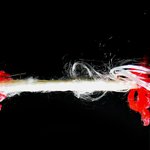
- Fuzzy, glazed or shiny patches where friction has melted the outer fibres
- Flat spots, thin sections or hard, stiff lumps under the surface
- Sand and grit worked down between the strands
- A bleached, chalky appearance or colour loss from ultraviolet light
- Loose, frayed or slipped splices and tatty, unwhipped ends
Give extra attention to the first couple of metres either side of a splice and anywhere the line passes over a fairlead, through a chock or round a cleat. That is where nearly every failure begins.
Washing Out Salt, Sand and Grime
Salt crystals and grit are abrasive, and they cut fibres from the inside. Fill a bucket with warm water and a squirt of mild washing-up liquid, then soak and knead the line by hand. Do not use bleach, solvents or fabric softener, and avoid scrubbing hard with a stiff brush, which raises the fibres and shortens the line's life. Rinse thoroughly in fresh water until the suds are gone. If a line is heavily soiled, a mesh laundry bag and a cool, gentle machine cycle will do the job, but hand washing is kinder.
Dry lines in the shade, coiled loosely and lifted off the ground, never draped over a hot engine or left in direct sun. Damp rope stored in a locker will grow mildew and smell sour. Bring mooring lines home over winter if you can, and hang them somewhere dry and airy.
Beating Chafe at Cleats and Fairleads
Chafe is the single biggest killer of mooring lines. Even a well-made line will chafe through if it is rubbing against a sharp edge or a rough casting. Fit anti-chafe gear wherever rope crosses a fairlead, rubs a toe rail or works against a stanchion: leather or canvas sleeves, purpose-made plastic guards, or a length of stout rubber hose slipped over the line. A short strop of chain or a snubber at the anchor roller saves an anchor rode from a wearying night of snatching.
While you are there, check the hardware itself. Cleat bolts should be tight, backing plates sound and bedding compound intact. Run a finger along fairleads, chocks and bow rollers — if it catches on a burr or a sharp edge, file it smooth or replace the fitting. Keep lines from rubbing against one another, and slack off a turn or two when the boat is sitting quietly so nothing is loaded unnecessarily.
Getting the Cleat Hitch Right
A proper cleat hitch is quick to tie and quick to release under load. Take one full turn round the base of the cleat, lead the line over the top and round the far horn, then cross back over the top to form a figure-of-eight. Finish with a single locking turn, tucking the working end under itself so it lies flat. Two or three round turns and one locking hitch is plenty; endless wrapping just jams tight and becomes impossible to cast off when you need to move in a hurry.
Size matters too. A cleat should be roughly ten times the diameter of the line it holds, and the line should sit comfortably on the base without being pinched. An undersized cleat on an oversized line is a chafe generator.
Knowing When to Retire a Line
Even with careful husbandry, rope has a working life. Nylon mooring lines in regular use often give five to eight seasons before they deserve retirement; a line used hard on a swinging mooring will tire sooner. Retire any line with a damaged or slipped splice, a hard internal lump, or more than about ten per cent of its length showing serious wear. If in doubt, err on the side of caution — a new line costs far less than a claim.
Spread the wear by swapping bow and stern lines end for end each spring, and keep a spare set aboard. Choose nylon where you want stretch to absorb snatch, and low-stretch polyester where you want the boat held firmly in position. Whip or heat-seal every new end, check your cleats as carefully as your ropes, and your boat will stay put through whatever the weather decides to do.





John Doe
14 January, 2022Having no content in post should have adverse..
Chauffina Carr
10 April, 2022We use these tests all time! Killer stuff!
Jim Séchen
16 July, 2022Thanks for all the comments, everyone!