

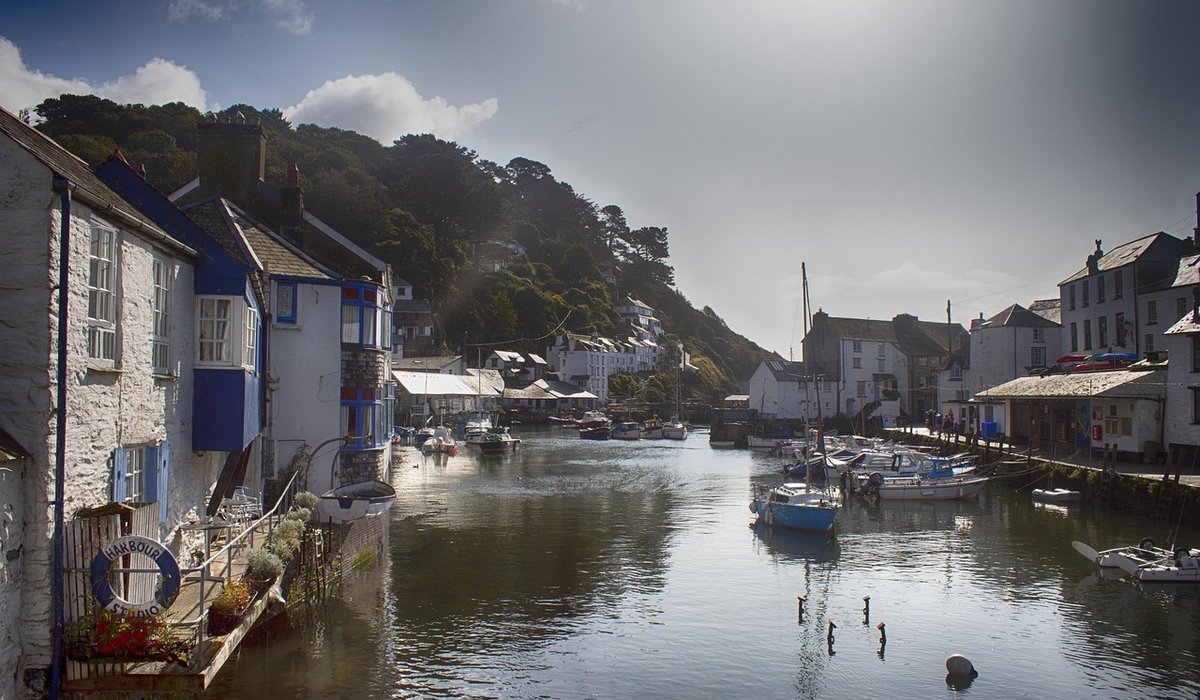
Start by Reading Your Coastal Plot
Few gardens are as bracing as one within sight and sound of the sea. The trade-off for that view is a set of growing conditions that punish anything tender: airborne salt, relentless wind, and soil that drains before a plant has had a chance to drink. The good news is that a seaside garden, planned properly, can be every bit as lush and colourful as an inland one. It simply needs a different cast of plants.
Spend a week or two noting how the wind behaves before you buy anything. Which corners catch the prevailing onshore blast, and which sit in the lee of a wall, a shed or a mature hedge? Salt deposition drops sharply just a few metres inland, so even a small sheltered pocket can support plants that would fail out in the open. Look, too, at your soil. Coastal plots are often thin, sandy or gravelly, sometimes overlying chalk or shingle. Dig a spade-depth hole, fill it with water and see how quickly it disappears. If it drains within an hour, you are working with free-draining ground and will need to build in water retention from the start.
Build Shelter Before You Choose Plants
Wind is the real enemy, not salt alone. Constant buffeting tears leaves, dries buds and makes plants brittle, and it strips moisture from foliage faster than roots can replace it. Shelter is therefore the single best investment you can make.
- Use permeable barriers. A solid fence creates damaging turbulence on the sheltered side. Slatted fencing, woven hazel hurdles or a trellis with climbing plants filter the wind instead, slowing it without causing eddies.
- Plant a windbreak hedge. Escallonia, Griselinia, Olearia and sea buckthorn all cope with salt spray and will knit together into a dense, manageable screen. Trim them lightly in late summer to keep them bushy.
- Work in layers. A tall hedge, a mid-height shrub border and a low line of perennials together absorb far more wind than any single row.
- Accept the front line. The first two or three metres nearest the sea will always be toughest. Plant it with the hardest specimens and treat it as a sacrificial buffer.
Salt-Tolerant Plants That Earn Their Place
Once shelter is underway, the planting palette opens up considerably. Aim for a mix of evergreens for structure, perennials for seasonal colour, and grasses for movement that suits the coastal light.
For shrubs and structure, consider lavender, rosemary, santolina, hebe, cistus and sea holly. All relish sun, shrug off salt and resent being fussed over. Tamarix makes a fine wind-tolerant small tree with feathery foliage, while Pinus species and Olearia give year-round backbone. For hedging, Escallonia and Griselinia are hard to beat.
Among perennials, sea thrift, thrift and Armeria form tight cushions of pink pom-pom flowers in early summer. Eryngium, Sedum, Crocosmia, Verbena and Nepeta all thrive in dry, sunny spots, and blue fescue and other ornamental grasses add texture without demanding moisture. For a little height and drama, try Echium or the taller Kniphofia, both of which tolerate wind well once established.
Improve the Soil and Mulch Generously
Free-draining soil is a blessing in winter and a burden in summer, so improve it before planting. Dig in plenty of well-rotted compost or leaf mould to a depth of around 20cm, working it through the top layer rather than burying it. This lifts both water-holding capacity and nutrient levels without turning the ground heavy.
Mulching is the coastal gardener's best friend. A 5–7cm layer of composted bark, gravel or shingle suppresses weeds, keeps roots cool and, crucially, reduces the splash of salt-laden soil onto foliage and stems. Gravel also reflects light and suits the dry, Mediterranean feel that many seaside plants enjoy. Top up the mulch each spring, taking care to keep it clear of stems and trunks.
Feed sparingly. Rich, high-nitrogen fertiliser encourages soft, sappy growth that wind and salt will shred. A light dressing of a balanced slow-release feed in spring is usually enough, and many coastal plants need nothing at all once settled.
Planting, Watering and Aftercare
Autumn is the ideal time to plant, giving roots a chance to settle while the soil is still warm and the winds gentler. Water new plants in well, then keep watering through the first two summers — even drought-tolerant varieties need help while establishing. A soaker hose or a slow trickle directly to the root zone is far more effective than a quick spray, which mostly lands on the leaves and evaporates.
Stake trees and tall shrubs for their first two or three seasons, using flexible ties that allow movement; rigid staking produces weak trunks. Prune lightly and regularly rather than hard, since coastal plants recover slowly from heavy cutting. Deadhead perennials through summer to keep flowers coming, and leave seedheads standing into winter for birds and structure.
Finally, make peace with a little imperfection. A seaside garden is a living negotiation with the weather, and the plants that succeed will be the ones you barely notice tending. Give them shelter, decent soil and a gravel mulch, and they will repay you with colour, scent and movement from spring right through to the first gales of autumn.






John Doe
14 January, 2022Having no content in post should have adverse..
Chauffina Carr
10 April, 2022We use these tests all time! Killer stuff!
Jim Séchen
16 July, 2022Thanks for all the comments, everyone!